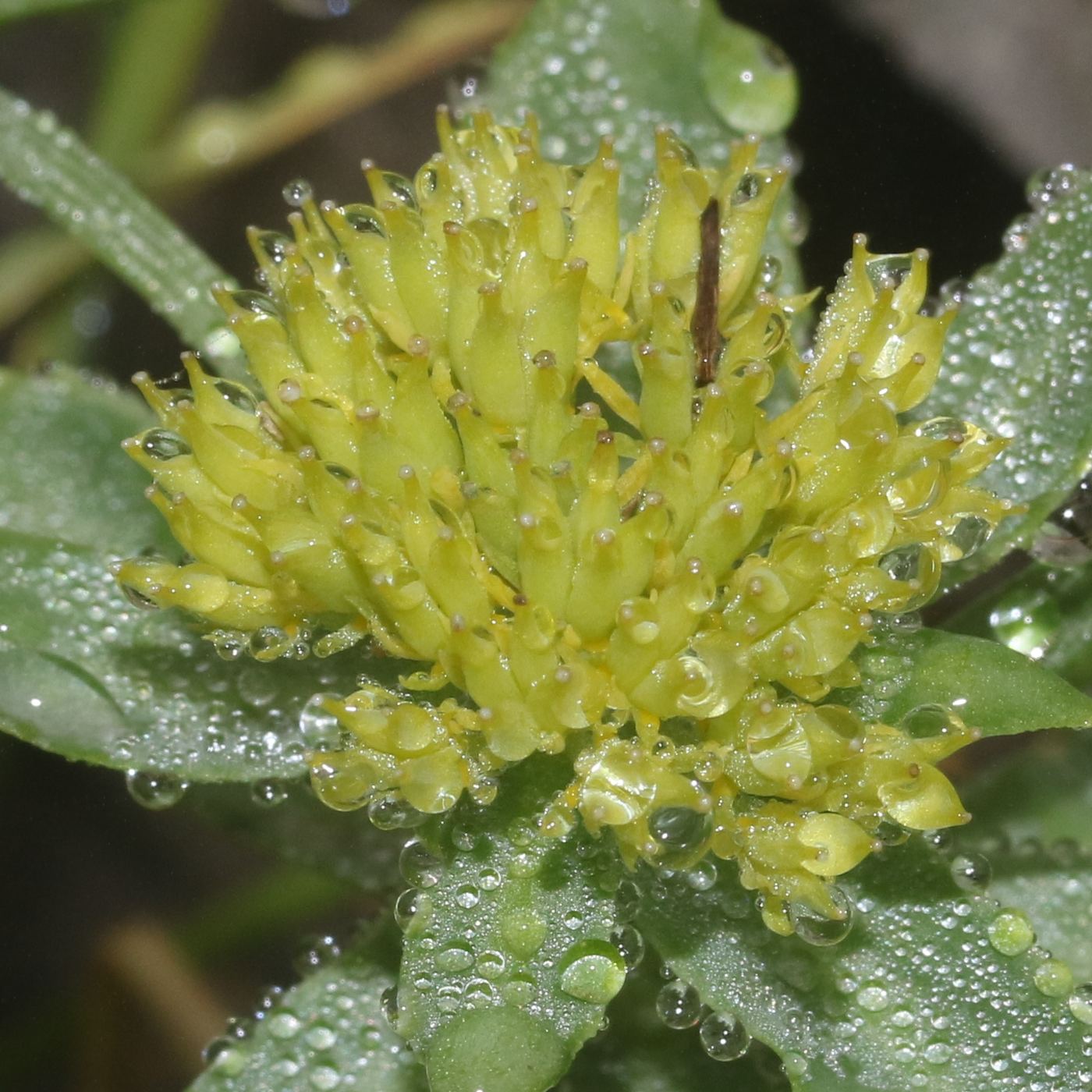
Rhodiola Rosea gets filed under "adaptogen," a word that gets used loosely in supplement marketing. It's worth being specific about what that actually means for this particular root, and what to check on a label before buying one.
What Is Rhodiola Rosea?
Rhodiola Rosea is a root that grows in cold, high-altitude regions of Europe and Asia — the Arctic, Scandinavia, the mountains of Russia and Central Asia. It's been used traditionally in those regions to help the body handle physical and mental stress, particularly during demanding conditions like harsh winters or heavy physical labor.
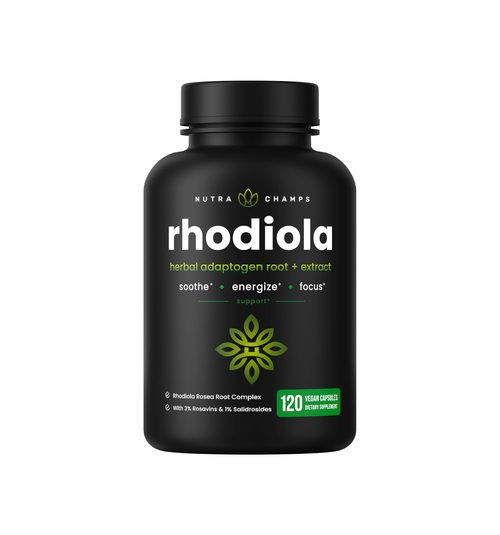
Its two main groups of active compounds are rosavins and salidrosides. Most of the clinical research on Rhodiola uses extracts standardized to roughly a 3:1 ratio of rosavins to salidrosides, which is why that specific ratio — not just a "Rhodiola extract" claim — is the more useful thing to look for on a label.
What It's Actually Used For
Rhodiola is typically reached for during periods of stress or fatigue rather than taken as a permanent daily fixture, which sets it apart from something like Bacopa. The traditional and research framing is fairly narrow: helping the body cope with a stressful stretch, not a general-purpose cognitive enhancer. It's also worth noting that some people find it mildly stimulating, which shapes both dosing and timing.
How Much to Take, and When
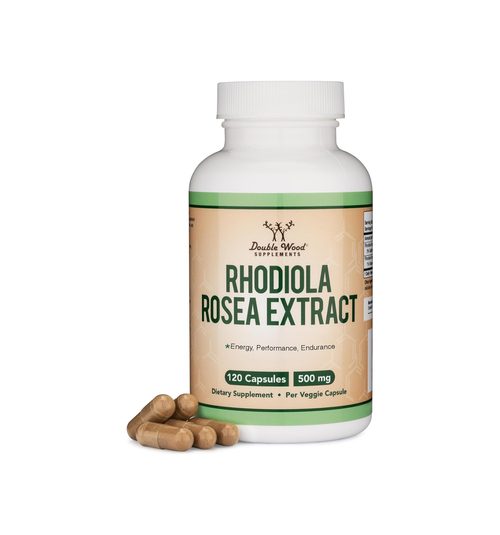
Common doses range from 200mg to 600mg per day, standardized to rosavins and salidrosides. Because some people notice a mildly stimulating effect, Rhodiola is often taken earlier in the day rather than in the evening — a practical detail that matters more here than with a lot of other nootropics on this list.
What to Look For When Buying
- The rosavin-to-salidroside ratio. Roughly 3:1 is what most research uses; a label that states this ratio directly is more useful than one that just says "standardized extract."
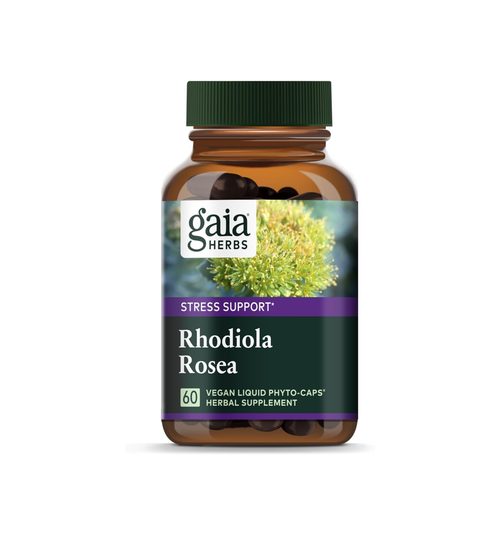
- Format. Standard powder-filled capsules are most common, but liquid-extract capsule formats also exist and preserve a different part of the plant's original extract profile — worth trying if powder capsules haven't worked for you.
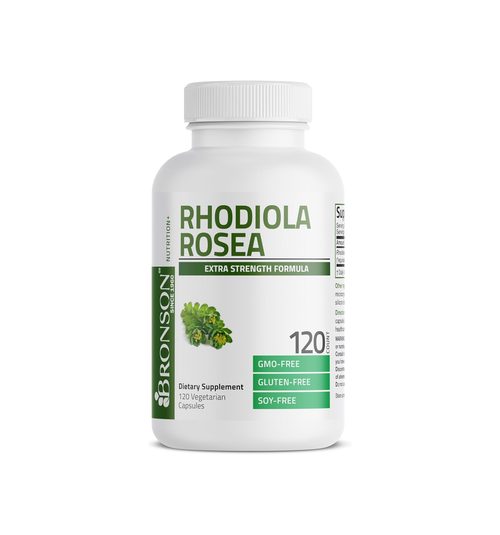
- Allergen labeling. A number of Rhodiola products are labeled GMO-free, gluten-free, and soy-free, which is useful if you're managing other dietary restrictions alongside this one.
Who Should Be Careful
Because Rhodiola can be mildly stimulating, it's worth checking with a doctor if you're on medication for mood or blood pressure before adding it in. Beyond that, it's generally well tolerated when taken within the common dosing range.
Below are four Rhodiola Rosea products on HighIQ Nootropics — a mix of standard extra-strength capsules, a single-ingredient 500mg option, a liquid-extract format, and one standardized specifically to the studied 3:1 ratio.